
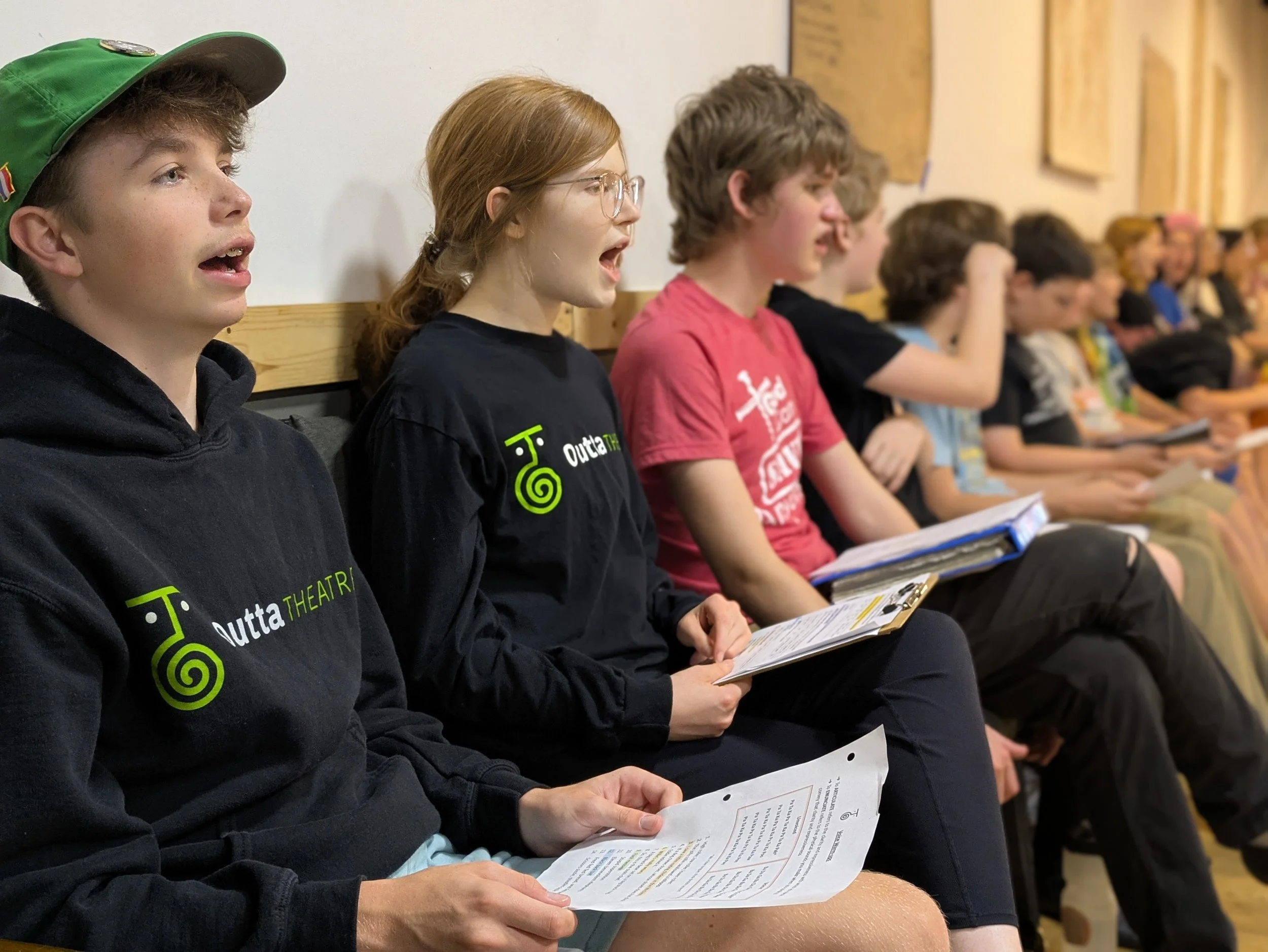
Theatre 101
Students will explore the fundamentals of portraying characters, acting & emotional expression through movement, voice work, improvisation, script reading, and much more. This class is required in order to enroll in the stage production.
Ages 10-18 (9 year old students admitted on a case by case basis)
Tuesdays 5:30-7:00 PM
September 8-October 27
Tuition: $125
Included with Training Guild Membership
THEATRE 201
Prerequisite: Theatre 101. Since repetition fosters mastery, the 201 class also includes attending 101 class. This also gives the students the opportunity to serve as role models, mentors, and assistant teachers in the 101 class. This class continues to build on the fundamentals and strengthen student confidence and skills.
April 11-May 8
Tuesdays 4:30-6:30 PM
Tuition $80
Included with Training Guild Membership
GALLERY

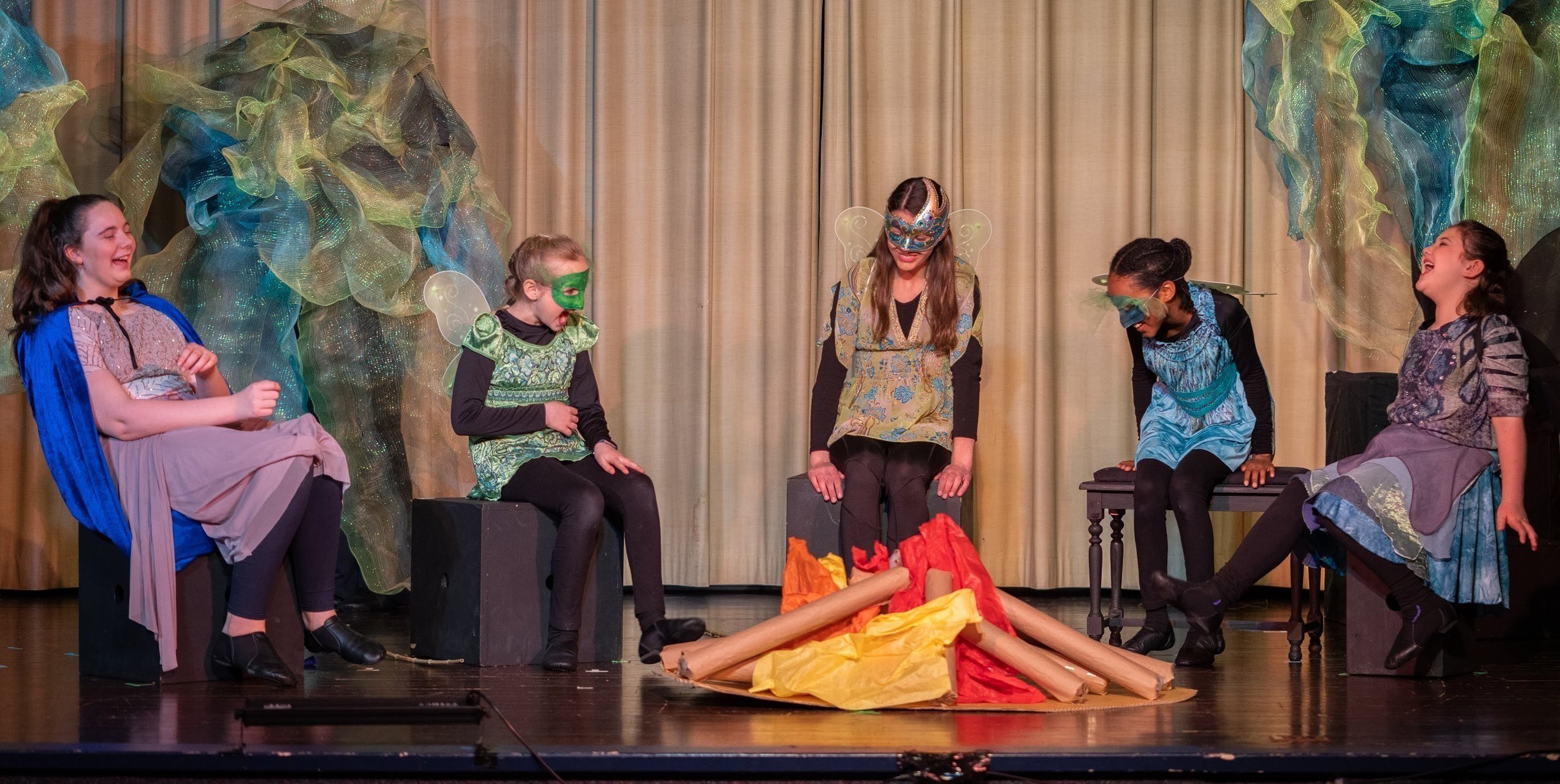
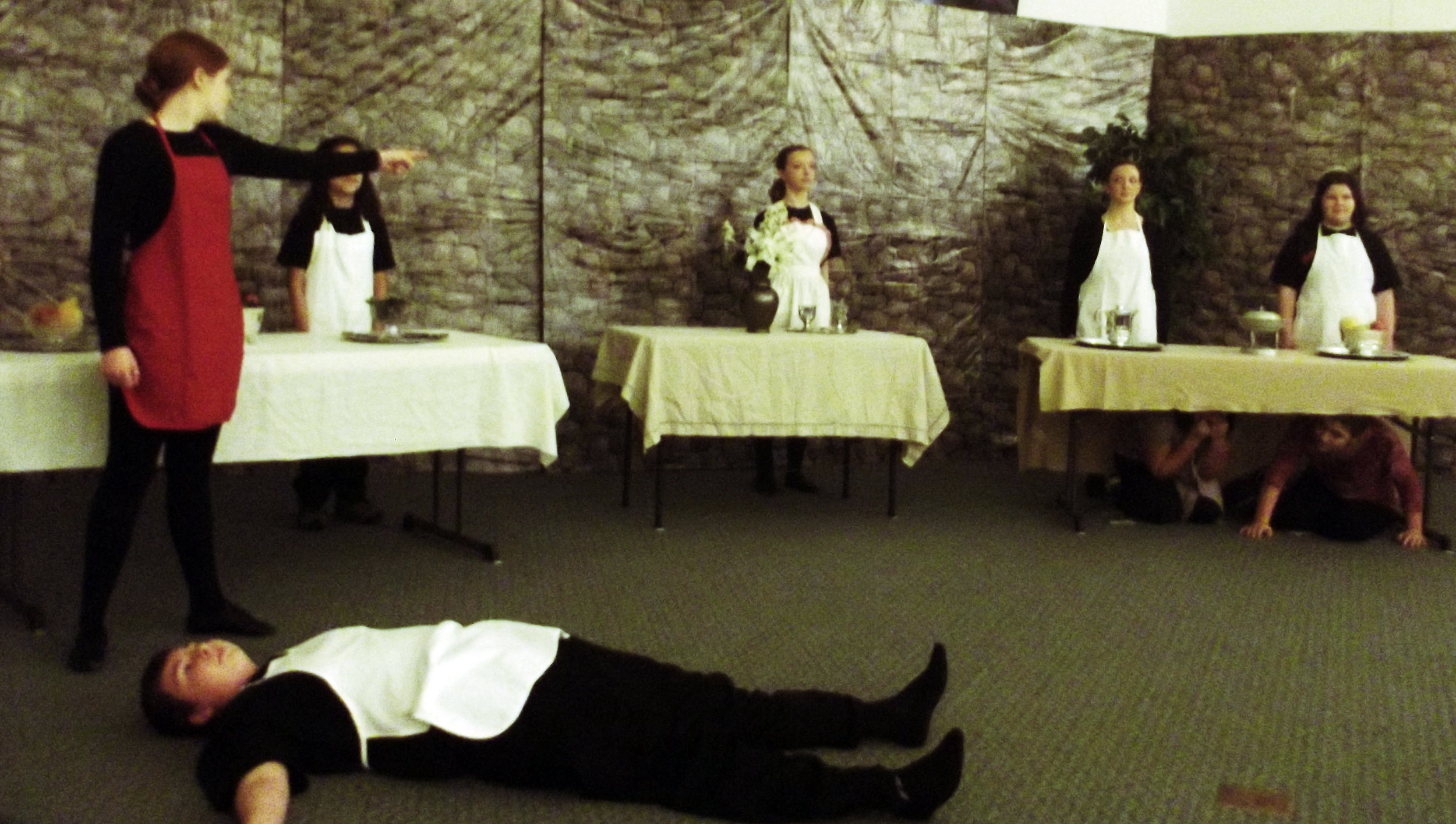
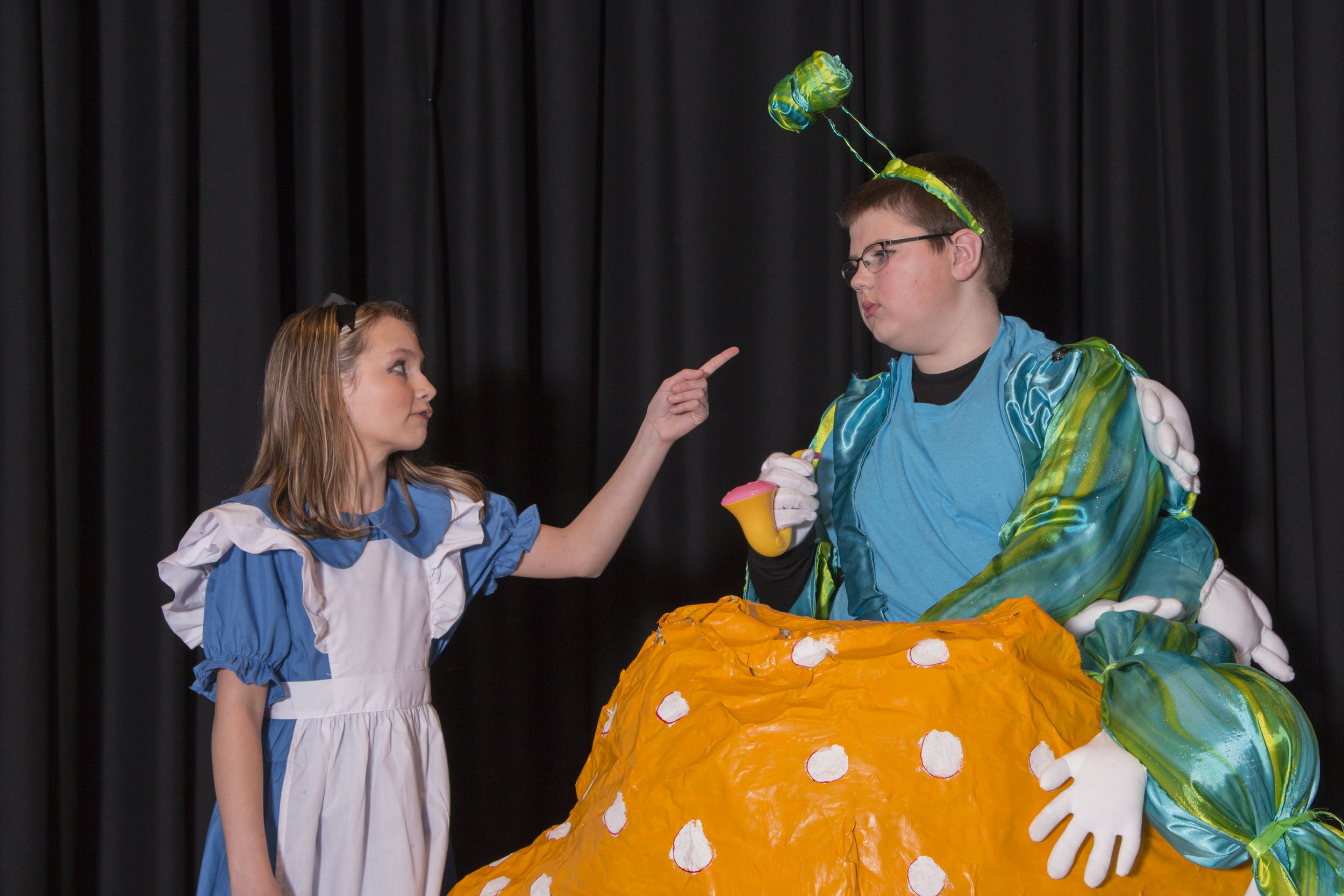


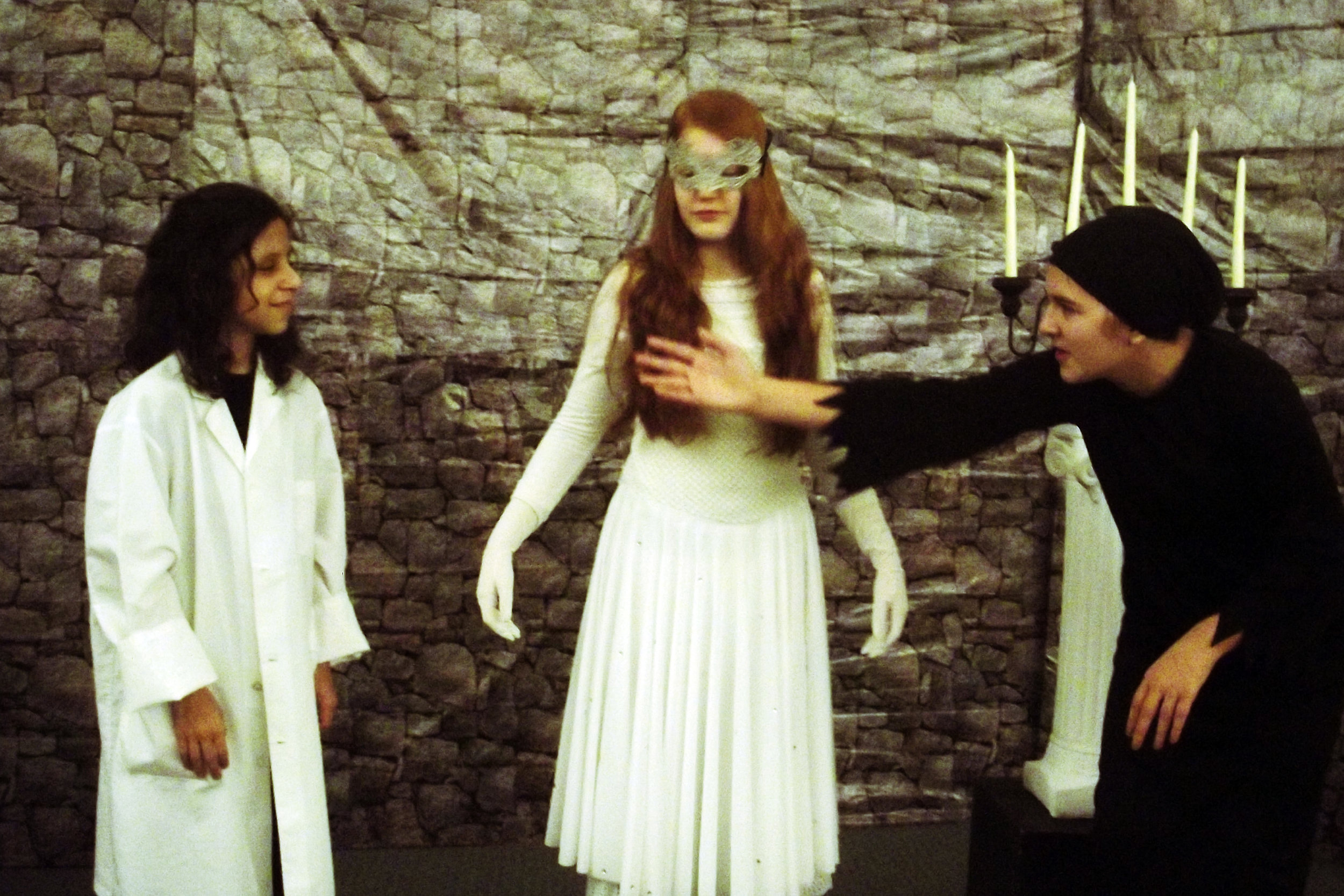
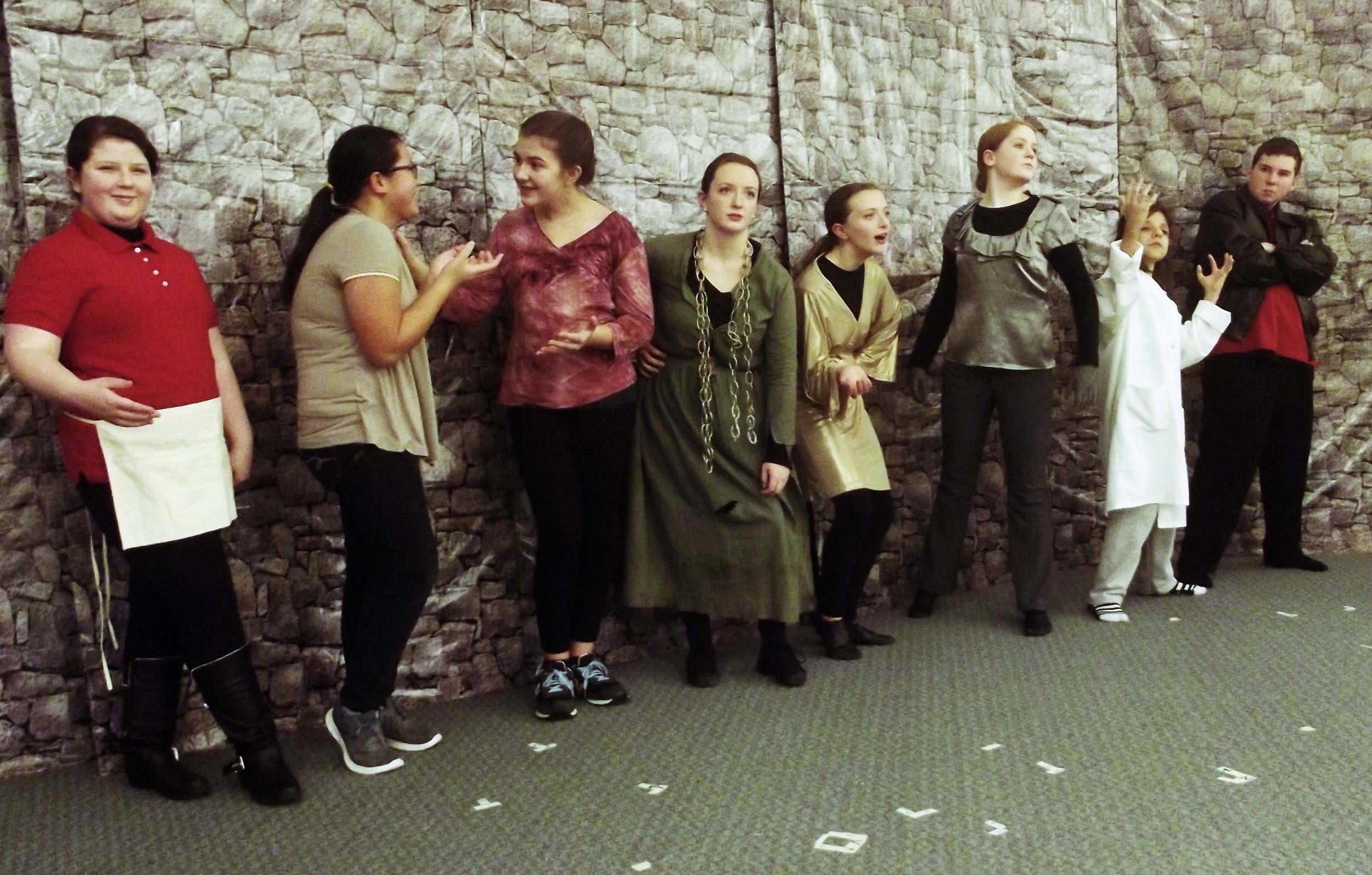


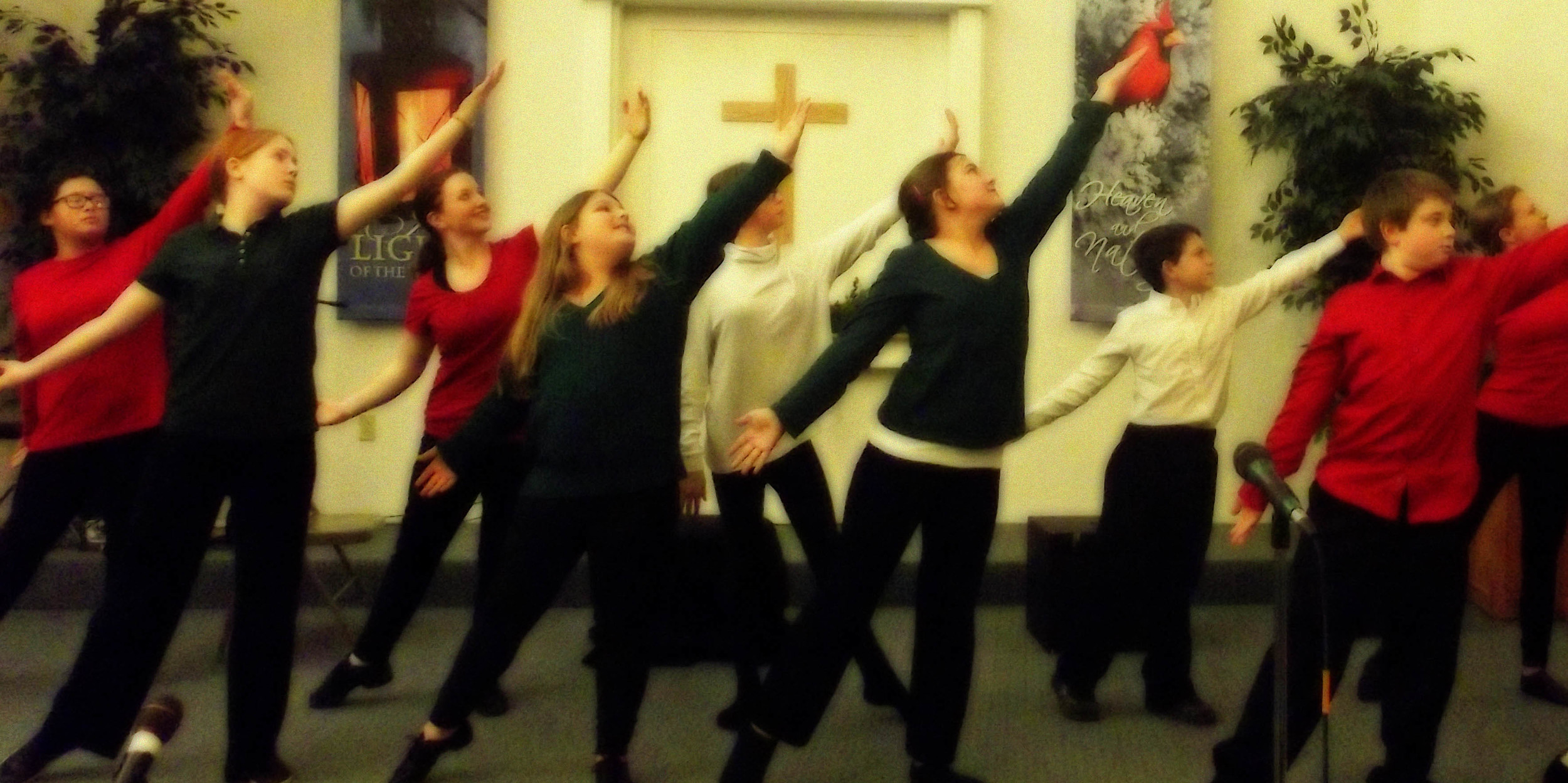

What makes Outta Theatre classes different?
1. Practical training combined with performance experience in a safe, creative, family friendly learning environment. Instead of just learning technique in a standard class setting or auditioning to be on stage for a specific production, the Outta Theatre experience combines the benefits of both worlds.
2. Customized productions.
3. Everyone gets a part, guaranteed. Every student will enjoy the opportunity to develop their skills and confidence in the spotlight, and experience the energy of a live audience.
4. Performance diversity: Variety shows (short scenes, monologues, musical acts, improvisation, physical theatre, and more), Plays (comedy or drama), Mimeodrama (Physical theatre with spoken dialogue), radio shows, and more.
Benefits of Theatre Class:
• Improving verbal communication/extemporaneous speech
• Accepting and celebrating mistakes as part of growth
• Cultivating active listening skills
• Learning how to focus in a conversation
• Growing in physical and emotional awareness
• Developing confidence and skills in giving speeches
• Strengthening debate skills
• Engaging in healthy, balanced social interaction
• Learning to work as a team

